
"Latin American coffee"
1000 article(s) found

What's the story between Latin American coffee and Starbucks? how much is a cup of Latin American coffee?
Professional coffee knowledge exchange more coffee bean information please follow Coffee Workshop (Wechat official account cafe_style) Latin America coffee bean producing region LATIN AMERICA began to grow coffee trees in Latin America in the 18th century, the region is composed of colorful world flow, the largest watershed, the largest tributaries and the first longest Amazon River. Give birth to the colorful ecological appearance of the rainforest. Own

The cultivation of coffee beans in Latin America Starbucks Latin American coffee beans
The cultivation of Latin American coffee beans Starbucks Latin American coffee beans Peruvian coffee is not common internationally, and it is generally believed that its processing process is hasty, so the evaluation is not good, which is the result of previous state monopoly. In fact, Peruvian coffee has good growth conditions, and many of them are grown organically, so the quality of coffee beans has always been quite good. The famous producing area of Peruvian coffee is

The preferred source of coffee beans in Latin America A brief introduction to Breakfast Coffee beans
Starbucks preferred source of coffee beans Historical theme introduction each Latin American mixed coffee is unique and does not include any Latin American single coffee. Sometimes, our mixed coffee may also contain beans purchased from different regions of Mexico, Guatemala and Colombia. In addition, our purchasing staff are also in Costa Rica, El Salvador, Nicaragua and
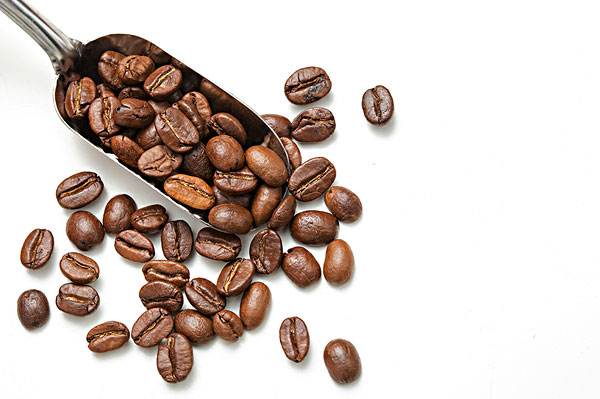
Latin American coffee growing region, Latin American coffee taste
Following Cafe Review (Wechat official account vdailycom) found that Beautiful Cafe opened a small shop of its own Latin America is famous for its coffee production and export volume, ranking first in the world. In 1979, Latin America produced 3.264 million tons of coffee, accounting for 65.6 percent of the world's total output, and coffee exports accounted for 2.217 million tons, accounting for about the world's total exports.

Characteristics of Latin American coffee beans manor flavor and taste-an introduction to the characteristics of coffee beans from three producing areas
Characteristics of Latin American coffee beans manor flavor and taste-the characteristics of coffee beans from three producing areas introduce that growing coffee also requires daylight and proper shade, which is most suitable for planting on fertile soil or volcanic ash soil. Therefore, the origin of coffee is widely distributed in South America, Central America, the West Indies, Asia, Africa, Arabia, the South Pacific and Oceania. Such as Ethiopia in Africa,

The three largest coffee producing areas in the world: African coffee, American coffee, Asian coffee, coffee beans
Latin America, Africa, Asia and Latin America are the three major coffee producing regions in the world: Latin America is the full name of Latin America, and Latin America is part of the Americas. In a narrow sense, it includes the American countries and regions with Latin languages as the official languages; in a broad sense, it includes all American countries and regions south of the United States. Latin America has a land area of 19197000 square kilometers, accounting for nearly 13% of the earth's land surface.

Introduction of taste varieties of Latin American coffee beans with unique flavor
The characteristics of Latin American coffee beans the coffee beans produced in the high latitudes of Costa Rica are famous in the world, full-bodied, mild in taste, but extremely sour. The coffee beans here have been carefully processed, which is why they have high quality coffee. Located in the south of SanJos, the capital of Tarasu, Costa Rica is one of the most valued coffee growers in the country.

Characteristics of Latin American coffee beans regional varieties produced by grinding scale treatment
The characteristics of Latin American coffee beans grinding scale to deal with the largest coffee producer, various grades and types of coffee account for 1/3 of the global consumption of coffee, accounting for a place in the global coffee market. Although Brazil faces several times higher natural disasters than other regions, it has enough acreage to make up for it. There are many kinds of coffee here.
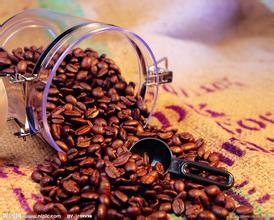
Description of characteristics and flavor of Latin American coffee beans grinding scale variety producing area
Latin American coffee bean characteristic flavor description grinding scale variety producing area there are three main treatment methods of Brazilian manor coffee beans: 1, water washing treatment 2, dry / natural treatment 3, mucous membrane natural fermentation treatment is generally typical, washed coffee beans have the brightest and clearest taste of all Brazilian coffee beans and have the most unique acidity, while the top-grade coffee beans have the brightest and clearest taste and the most unique acidity
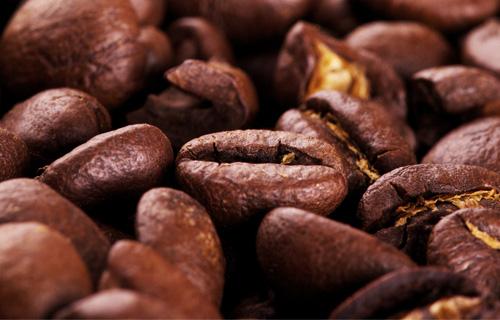
Introduction of Latin American coffee varieties and characteristics of Latin American coffee
Following Cafe (official Wechat account vdailycom) found that Beautiful Cafe opened a small shop of its own. The unique rainforest environment in some parts of Bolivia provides excellent natural conditions for the growth of organic coffee. The aroma of Bolivian coffee is rich and unique, whether it is the aroma of ground beans or the aroma of coffee, which is similar to that of flowers and flowers.
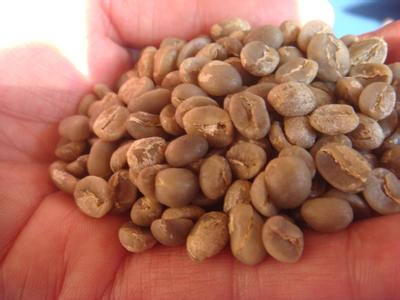
Characteristic growing areas of coffee beans in Latin America
The characteristics of Latin American coffee beans the overall flavor of Latin American coffee is famous for its balance, and all the flavors in the coffee can be found in Latin American coffee. The widespread use of wet treatment of raw beans is also one of the characteristics of Latin American coffee. A good processing process also makes its beans larger and more uniform than African coffee, and the defect rate is lower than that in Brazil.

What are the types of Latin American coffee beans Latin American coffee stories
Professional coffee knowledge exchange more coffee bean information please follow the coffee workshop (Wechat official account cafe_style) there are two main types of coffee beans: Arabica coffee beans and Robusta coffee beans. Arabica coffee beans grow in warm and humid climates of 4000 to 6000 feet (1212 to 1818 meters), producing delicious and aromatic coffee beans that can be eaten all over the world.

Latin American coffee flavor characteristics of Latin American coffee beans to drink how much money a packet?
Professional coffee knowledge exchange More coffee bean information Please pay attention to coffee workshop (Weixin Official Accounts cafe_style) Latin American coffee bean flavor characteristics Introduction Taste characteristics: balanced, moderate acidity and mellow Central and South American bean flavor: Overall, the flavor is quite satisfactory. Brazilian coffee is soft and sweet, Costa Rican coffee is mild and soft, sour, sweet and smart

Latin American coffee flavor Latin American coffee characteristics Latin American coffee taste
Latin America (Latin America) in 1721 French naval officer de Klee (Gabriel Mathieu de Clieu) experienced difficulties and obstacles to bring the first coffee sapling from Africa to the Latin American island of Martinique, which was the origin of coffee cultivation in Latin America. Because at that time, France was under the reign of the Bourbon dynasty, and Elaraby was grown in Latin America.

Latin American coffee bean characteristics Latin American coffee flavor Latin American coffee theme
Latin America (Latin America) in 1721 French naval officer de Klee (Gabriel Mathieu de Clieu) experienced difficulties and obstacles to bring the first coffee sapling from Africa to the Latin American island of Martinique, which was the origin of coffee cultivation in Latin America. Because at that time, France was under the reign of the Bourbon dynasty, and what was grown in Latin America

Latin American coffee bean characteristics Latin American coffee flavor Latin American coffee theme
Latin America (Latin America) in 1721 French naval officer de Klee (Gabriel Mathieu de Clieu) experienced difficulties and obstacles to bring the first coffee sapling from Africa to the Latin American island of Martinique, which was the origin of coffee cultivation in Latin America. Because at that time, France was under the reign of the Bourbon dynasty, and what was grown in Latin America
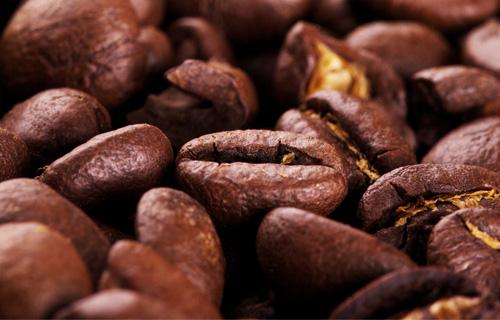
Preferred introduction of Latin American coffee
Following Cafe (official Wechat account vdailycom) found that the coffee of choice for a beautiful cafe is a medium-mellow Latin American mixed coffee, characterized by lively acidity and a refreshing and well-balanced flavor. Processing: washing method. Similar to coffee: Guatemalan Tigua coffee and Colombian coffee. Taste with food: nuts, apples,
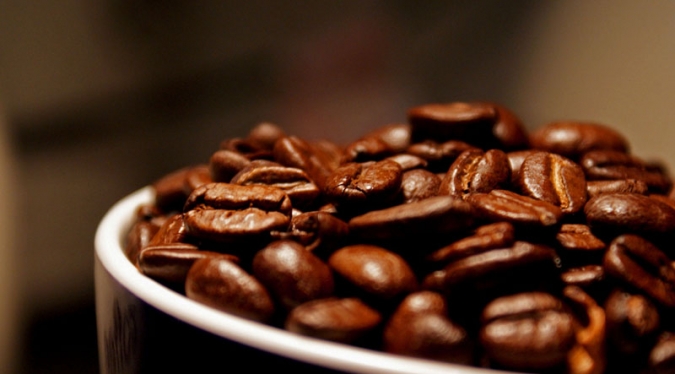
A small cup of coffee pry up the Latin American market
I am very confident in Harbin, although coffee consumption here has just started, but the market potential is great, we will consider setting up warehouses here in the future. Not only supply the northeast market, but also hope to radiate sales to the Russian far East. Yesterday, Ni Peigang, the head of Ikam Trading Co., Ltd., one of the world's coffee sales giants, was in charge of the 2015 China-Russia Expo.

The Story of Latin American Coffee Bean producing country
The flavor and taste of coffee beans in Latin America was once the second largest coffee producer only in Brazil, but Colombia, which has been overtaken by Vietnam and ranked third in the world, is the largest supplier of washed beans in the world. Colombia has become synonymous with good coffee after years of image-building. Although the flavor is balanced, the texture is thick, and the famous sour taste, the aroma is also good.